March 20, 2026
Your roof plays a critical role in protecting your home from the elements, yet many homeowners don’t notice roofing issues until the damage becomes severe. Identifying early warning signs can help prevent costly repairs and structural problems. Knowing when to contact a professional roofing company can make the difference between a simple repair and a full roof replacement.
1. Noticing Missing or Damaged Shingles
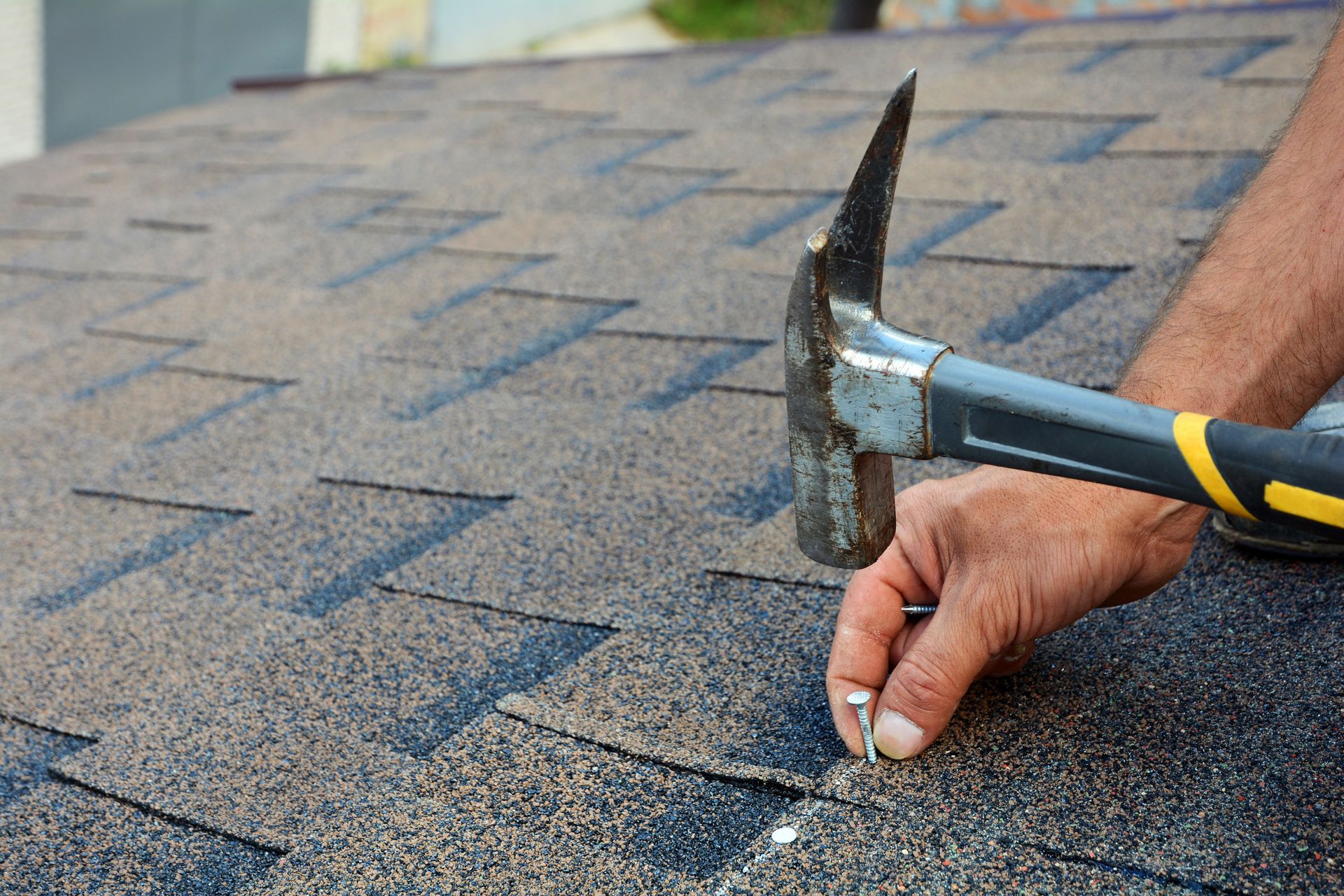
One of the most visible warning signs of roof damage is missing, cracked, or curling shingles. Shingles act as the first line of defense against rain, wind, and debris, so even a small section of missing material can leave your roof vulnerable to water intrusion.
According to RubyHome, asphalt shingles are the most common roofing material, used in roughly 80% of roofing projects. While these shingles are durable and cost-effective, they can still become damaged over time due to storms, aging, or improper installation.
If you notice shingle damage, it’s best to contact a professional roofing service to inspect the area and determine whether repairs or replacements are necessary.
2. Seeing Water Stains on Ceilings or Walls
Water stains inside your home are a strong indication that your roof may be leaking. These stains often appear as yellow or brown spots on ceilings or along the upper edges of walls.
Roof leaks can occur when flashing becomes loose, shingles deteriorate, or underlayment becomes compromised. Over time, even a small leak can cause mold growth, wood rot, and insulation damage.
Promptly addressing interior water stains with the help of a roofing service can prevent the problem from spreading and protect your home’s structure.
3. Finding Granules in Your Gutters
If you notice a buildup of shingle granules in your gutters or downspouts, it could be a sign that your roof is beginning to deteriorate. Granules help protect shingles from ultraviolet rays and harsh weather conditions.
As shingles age, they gradually lose their protective granules. Excessive granule loss often indicates that the shingles are nearing the end of their lifespan.
Regular gutter inspections can reveal this issue early, giving a professional roofing company the opportunity to assess your roof before more significant damage occurs.
4. Experiencing Frequent Roof Leaks
Occasional roof leaks may occur after severe storms, but repeated leaks are a clear sign that your roof needs professional attention. Persistent leaks may indicate widespread deterioration, damaged flashing, or issues with the roof’s underlying structure.
Temporary fixes may stop a leak for a short time, but they rarely solve the root problem. Ignoring recurring leaks can lead to costly interior repairs and compromised structural integrity.
A professional inspection can identify the exact source of the leaks and determine the most effective repair solution.
5. Observing Sagging Areas on the Roof
A sagging roofline is a serious warning sign that should never be ignored. This issue may indicate structural damage, moisture buildup, or weakened decking beneath the roofing materials.
When water infiltrates the roof’s structure, it can cause wooden components to soften and bend under the weight of the roofing system. Over time, this can lead to noticeable dips or sagging sections.
If you notice uneven areas on your roof, contacting a qualified roofing company immediately can help prevent further structural damage.
6. Discovering Damaged Flashing Around Roof Features
Flashing is the thin metal material installed around chimneys, skylights, vents, and roof valleys to prevent water from entering your home. When flashing becomes cracked, rusted, or loose, it can create an easy path for water intrusion.
Damaged flashing is a common cause of roof leaks because these areas are more vulnerable to weather exposure and movement over time. Even a small gap can allow moisture to seep beneath the roofing materials.
7. Spotting Moss, Algae, or Mold Growth
While moss or algae growth may initially seem like a cosmetic issue, it can signal underlying moisture problems. Moss tends to trap moisture against the surface of the roof, which can accelerate shingle deterioration. The roots of moss can also work their way between shingles, gradually loosening them and creating small openings where water can seep underneath.
Over time, this retained moisture may cause shingles to lift or separate from the roof deck. Algae streaks and mold growth may also indicate poor drainage or excess humidity. In shaded areas of the roof, these organisms can spread quickly because the surface remains damp for longer periods after rain.
Having your roof professionally cleaned and inspected can help prevent these biological growths from causing long-term damage. A professional can safely remove moss and algae while also checking for any hidden moisture damage beneath the roofing materials.
8. Noticing Increased Energy Bills
Your roof plays a major role in maintaining your home’s energy efficiency. When roofing materials become damaged or ventilation systems fail, heat and cooled air can escape more easily. Gaps in the roofing system, worn insulation, or deteriorating underlayment can allow outside temperatures to affect the interior of your home more than they should.
This loss of insulation forces your HVAC system to work harder, which can lead to higher energy bills throughout the year. Poor roof performance can also cause uneven indoor temperatures, making some rooms feel significantly warmer or cooler than others. Over time, this additional strain on your heating and cooling system may also contribute to increased wear and shorter equipment lifespan.
A professional roof inspection can identify areas where your roof may be compromising your home’s energy efficiency. Addressing these issues early can help restore proper insulation, improve airflow in the attic, and keep your home more comfortable year-round.
9. Seeing Daylight Through the Attic
One simple way to evaluate your roof’s condition is to inspect your attic during the daytime. If you notice beams of sunlight shining through the roof boards, it likely means there are gaps or holes in the roofing structure.
These openings allow water, pests, and cold air to enter your home. Even small cracks can expand over time, especially during heavy rain or snow. Moisture entering through these openings can also damage insulation, weaken wooden framing, and create conditions that allow mold or mildew to develop.
In some cases, these gaps may be caused by damaged shingles, deteriorated flashing, or aging roof decking. Over time, normal wear and weather exposure can slowly compromise the roof’s protective layers. Scheduling an inspection with an experienced roofing company can help locate these openings and ensure they are properly sealed. A professional roofing service can also identify surrounding areas that may be vulnerable to similar issues and recommend preventative repairs to protect your home.
10. Reaching the End of Your Roof’s Lifespan
Every roof has a limited lifespan, and aging materials eventually lose their ability to protect your home effectively. Even if your roof appears relatively intact, it may still be approaching the end of its functional life.
Factors such as climate, installation quality, and maintenance history can influence how long a roof lasts. Older roofs are more susceptible to leaks, wind damage, and structural issues.
Consulting a professional roofing company can help you determine whether repairs are sufficient or if it’s time to consider a roof replacement.
If you notice any of these warning signs, contacting an experienced roofing company can provide peace of mind and ensure your roof continues to protect your home for years to come. If you are looking for a reliable roofing service to help with your next project, contact AMG Roofing and Contracting, LLC today to learn more and get started!